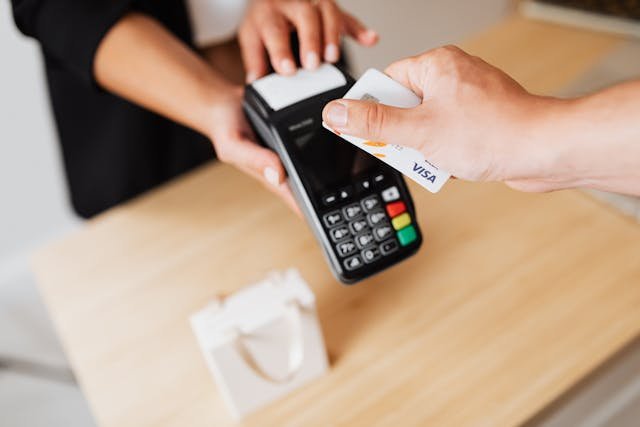
Grocery retailers are starting to use point-of-sale data to help with consumer insights, pricing, stocking, and inventory optimization. With tighter margins and changing demand, many have moved beyond simple cash registers to more advanced systems that integrate sales, inventory, and analytics. Analytics from retail POS system in real-time helps streamline demand forecasting and minimize waste. In the U.K, officials are planning to use data from supermarket scanners in calculating inflation. This shows the increasing importance of checkout data for economic insights.
Every week, many millions of individual transactions take place in grocery stores. Until recently, this stream of data was of limited value in comparison to the cost of analysis. Today, however, the buying patterns of customers and the movement of product inventories can be monitored and analyzed from the data produced by grocery store tills. Information analysts and store operators use this data to predict demand and facilitate order planning, to implement waste prevention strategies and optimize pricing.
Reports and analytics, particularly in competitive environments, provide instantaneous feedback to operators, which drives further optimization. In this manner, customers can utilize their preferred products, particularly those on sale.
Key Data Points Every Grocery Store Should Leverage
Not all data is equally valuable, but certain types can have a major impact on store performance. POS reporting highlights top-selling products, showing what stock should be kept in abundance, while seasonal or holiday-focused forecasts guide when inventory levels should be increased. Data from loyalty programmes reveals customer buying patterns, helping shape promotions, merchandising, and product placement. Monitoring shrinkage, such as losses from theft or expired items, also feeds into retail business intelligence and grocery inventory management strategies.
Integrating cashier and inventory data within a grocery POS system allows managers to track stock in real time, reducing waste and improving inventory optimization grocery teams rely on daily. Combining internal data with external information, including point-of-sale trends, trade promotions, local weather, and online demand signals, enables more accurate grocery demand forecasting.
Modern custom grocery POS software solutions and retail analytics tools transform this information into actionable insights, creating a data-driven retail environment where stores can align stock with actual customer needs. POS analytics and reporting not only support operational efficiency but also empower managers to anticipate changes in demand, optimize shelf space, and enhance overall profitability.
Turning Sales Into Strategy: The Data Goldmine of Grocery Stores
Grocery Store POS systems have evolved from focusing only on sales and payments to also gathering and processing transactional data and pairing it with inventory and customer data. This results in the generation of stronger and more useful reporting, which answers the question of what, when, and for whom items sell. Grocery POS systems and dashboards help grocery retailers gain insight into product sales and inventory trends, as well as product sales and inventory trends, and inventory purchasing to turnover ratio.
These systems create alert modules that help grocery store managers identify and address stock external issues as well as excessive spoilage and margin-eroding perishables. Integrated retailers report, on average, a 70% less stock shortages after the use of integrated POS and inventory data. This improves overall product availability to customers (Digittrix 2025).
These data streams assist in the assessment of product categories that may vary in-season or by region. Spill-over patterns from loyalty programs and weekly promos can aid grocery inventory management in tracking demand volatility and planning future purchases.
The speed of connectivity of modern retail analytics tools is superior to the speed of user manual analysis of traditional spreadsheets. Real-time dashboards also assist in predicting future grocery demand by identifying irregular sales patterns, spikes included, of specific products, and enabling the team to actively address emerging issues.
From Transactions to Insights: The Evolving Role of POS Systems
Traditional Registers would record a sale and then would require a manual count of inventory. Modern grocery POS system integrate sales event data with inventory and customer data. Retailers can analyze and determine the combinations purchased and the impact of price changes on sales.
POS systems with analytics and reporting capabilities drive decisions on promotions, store design, and pricing. Analytics to forecast demand is now being adopted by nearly 50% of grocery retailers and supports pre-season stock level adjustments, according to WiFi Talents 2025.
Systems that include retail business intelligence also inform on workforce allocation. Knowing which hours are busy and which have high traffic ensures better scheduling. When analysts add layers to their forecasting by combining historical sales data with external data (like weather or events), their forecasts become better.
Many grocery chains in the US have reported better forecasting after implementing predictive analytics. This outcome allows fresh stock to be cycled more quickly and dead stock to be limited.
The Limitations of Traditional POS Systems
Legacy POS systems are often unable to deliver deep analytical capabilities. Teams are dependent on manual workarounds, such as exporting data into other systems to extract insights.
These delays obfuscate actionable trends. Siloed systems store and isolate their dataset(s) in sales, inventories, and customers, making it almost impossible to attempt to unify insights proactively. This fragmentation is the root cause of most reactive decision-making. For example, staff will often only address stock shortages or surpluses after they occur.
Most legacy systems severely limit the granularity of their reporting capabilities. In particular, the lack of the ability of stores to obtain insights at the departmental or product level severely limits their ability to discover and take action on the opportunities presented by poorly performing products or to tailor inventories to particular customer segments. This is a major factor in limiting the potential for dynamic pricing or micro-optimisation that are key to the modern grocery business.
As the digital transformation of grocery retailing accelerates and competitors implement more modern and responsive systems, those operators that continue to rely on legacy systems will most certainly lag in operational efficiency and responsiveness.
What Comes Next for Grocery Retail Data
Store and inventory analytics are going to become ever more important to grocery retail, especially during periods of heightened competition and changing consumer behavior.
Retailers that integrate POS and inventory data with consumer analytics will be able to manage demand more accurately, optimize shelf space, and keep inventory and sales aligned. Grocery retailers have come to rely heavily on POS data as economic measuring sticks, and retailers have tailored models to use checkout data for quick decision-making.